How Professional Conversion Rate Optimization (CRO) Increases Pay-Per-Click Ad Spend Profit
A surprisingly high number of enterprise brands operate under the false assumption that their paid digital advertising bottleneck is strictly a traffic problem. When a multi-channel campaign fails to hit its target volume of leads or e-commerce acquisitions, the automatic reflex is to artificially scale the daily budget, acquire a wider net of broad keywords, or dump more capital into impressions. While driving raw traffic to an ecosystem can push numbers up, it is often the least efficient and most expensive pathway to bottom-line expansion.
In reality, most digital sales funnels are already pulling in an ample volume of high-intent traffic. The underlying financial drain is that an unacceptable percentage of those expensive paid clicks are leaking out of a sub-optimized layout. This is precisely where specialized conversion rate optimization (CRO) transforms from a luxury marketing service into a mandatory financial growth engine. Rather than continually purchasing more clicks from ad networks, optimization strategies focus on re-engineering your pre-existing traffic, ensuring that more visitors take action.
The Compounding Math of Paid Traffic Efficiency and CAC Reduction
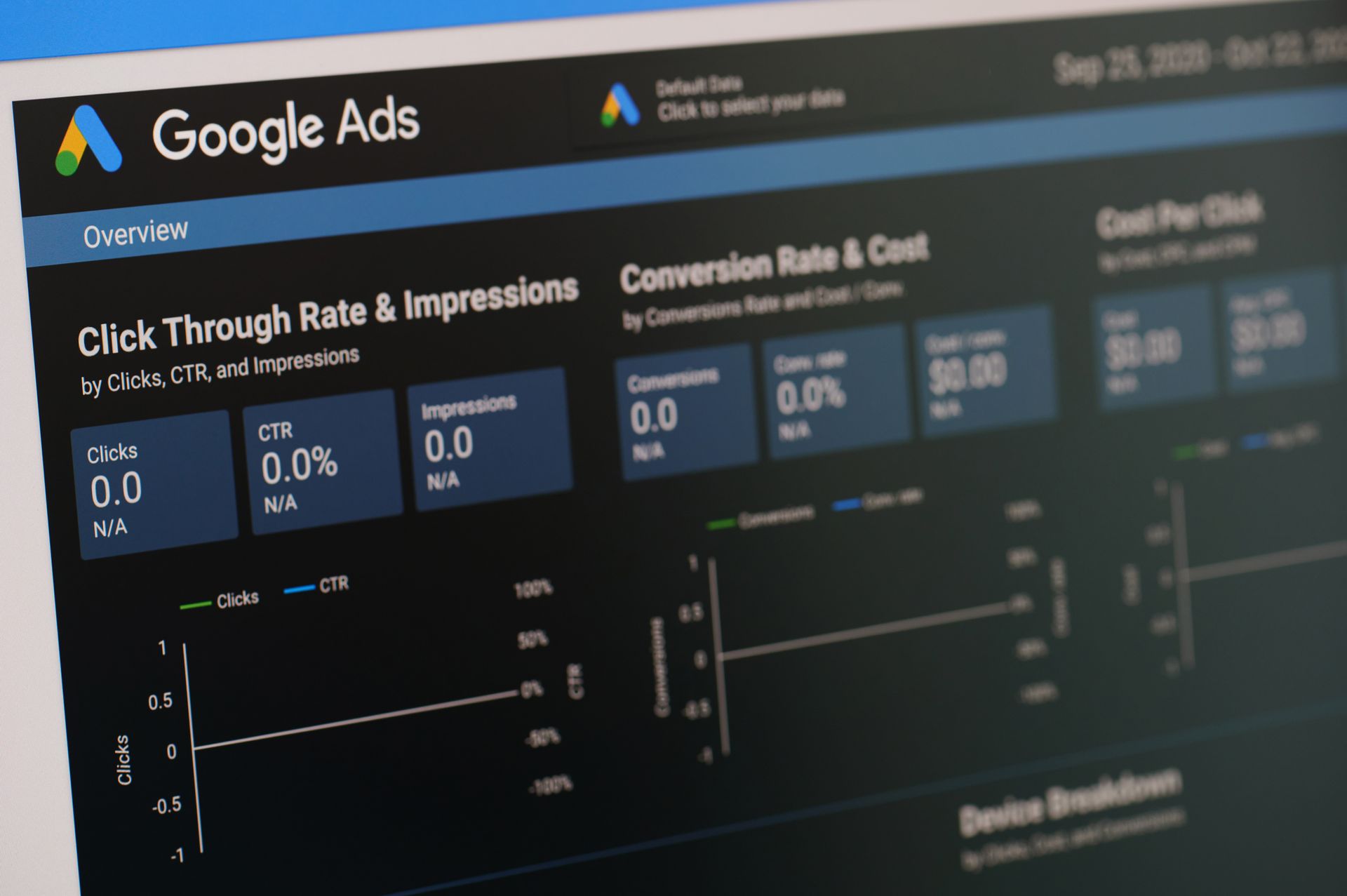
Evaluating the performance of a high-ticket PPC advertising campaign solely through front-end metrics like raw impressions or click-through rates (CTR) creates a massive blind spot for your business. An expensive campaign that pulls in thousands of click interactions a month delivers zero enterprise value if those visitors bounce off your landing page without converting. The single metric that fundamentally dictates your financial solvency is your customer acquisition cost (CAC), which is tied directly to your site’s conversion mechanics.
To understand the mathematical impact of conversion adjustments, look at two companies deploying identical campaigns via Google Ads management. If both firms spend an identical budget to pull in 1,000 paid visitors, but Company A features a standard 2% conversion rate while Company B operates a conversion-optimized 5% funnel, the financial disparity is staggering. Company B scales its total lead generation by 150% from the exact same traffic pool, effectively cutting its cost-per-lead in half. This dynamic shows why optimizing your conversions produces far greater, cleaner profit margins than throwing money at more traffic.
Structural Landing Page Optimization: Re-Engineering the First Impression
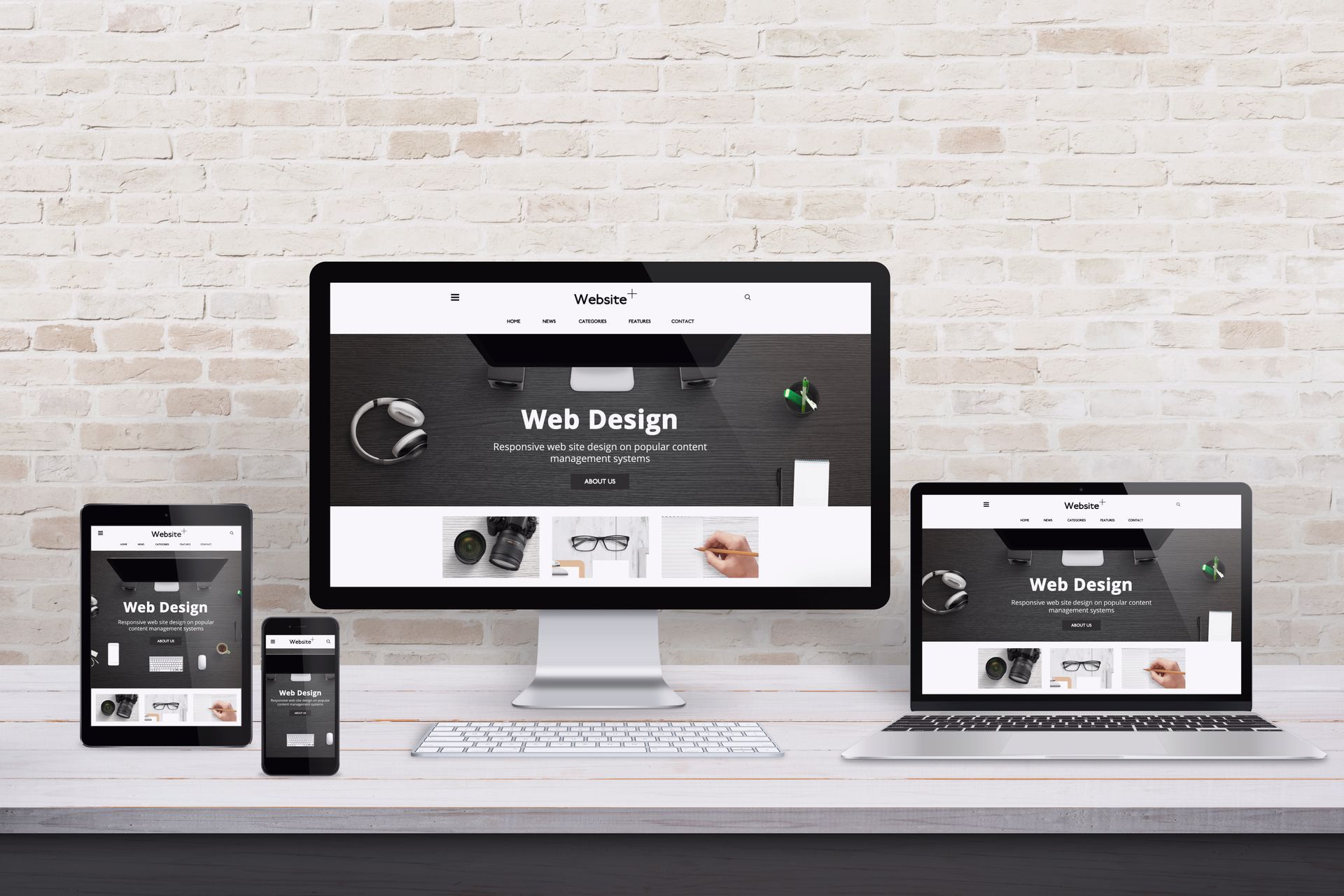
Many companies burn through substantial ad budgets by routing highly specific, targeted keyword traffic directly to their generic homepages or text-heavy service summaries. These broad pages are cluttered with multi-tier navigation menus, varied corporate messaging, and loose internal links that immediately distract a high-intent user. True landing page optimization requires constructing a laser-focused, distraction-free environment built to satisfy the exact query that triggered the initial ad click.
An elite conversion landing page treats user focus as a highly finite resource. It eliminates global top headers and extraneous exit pathways, replacing them with a singular, high-visibility layout built around a compelling value proposition and clear call-to-action (CTA) triggers. The layout must be engineered for ultra-fast load tracking, satisfying Google's Core Web Vitals parameters—such as Largest Contentful Paint (LCP)—to minimize bounce rates caused by slow loading speeds on mobile devices.
Dismantling UX Barriers and Establishing High-Fidelity Trust Signals
A user’s journey through your digital ecosystem must be completely free of cognitive friction. Common, un-noticed website design errors—including over-complicated, multi-field forms, confusing navigation links, unreadable font contrast, and jarring layout shifts—act as digital roadblocks that drive your cost-per-acquisition up. Deploying an advanced conversion campaign requires identifying and systematically smoothing out these friction points, ensuring a seamless path from the initial headline down to the final form submission or purchase.
Furthermore, a click on an advertisement does not guarantee trust. To push a user past their baseline internet skepticism, your conversion pages must display high-fidelity trust indicators directly within the primary sightlines:
- Social Proof Integration: Embed dynamic, verified five-star client reviews, authentic case studies, and real video testimonials close to your form fields.
- Authority Verification: Visually display prominent industry certifications, secure payment badges, professional associations, and satisfaction guarantees.
- The Conversion Lift: These explicit credibility anchors dismantle buying hesitation, giving cold paid traffic the confidence required to supply their contact details.
Eliminating Guesswork: Deploying a Data-Driven Optimization Protocol
The absolute defining trait of professional CRO services is that all layout alterations are driven by empirical user behavior data rather than abstract artistic opinions. Advanced analytics teams do not guess what elements to change; they deploy deep behavioral monitoring tools to pinpoint exactly where users are abandoning the conversion funnel.
By continuously gathering data from mouse-movement heatmaps, scroll-depth logs, and real user session recordings, optimization teams can clearly see where users get confused or ignore messaging. This diagnostic data fuels rigorous, continuous A/B split-testing campaigns, allowing you to run separate page variations simultaneously to measure real-world performance differences. Over time, these incremental, data-backed optimizations build a highly defensive, high-yielding asset that squeezes maximum revenue out of your ad spend.
Maximize Your Marketing ROI with Quantifi Media
As digital advertising auctions become increasingly crowded and ad network floor prices continue to climb, maintaining an exceptional return on investment (ROI) requires maximizing the value of every single visitor you buy. Scaling ad budgets over a leaky, sub-optimized web structure is an inefficient use of capital that drags down your margins. Securing long-term dominance in your market requires fixing your funnel before scaling your traffic spend.
At Quantifi Media, we synthesize high-precision paid traffic management with clinical, data-driven optimization. We build holistic marketing machines where performance-optimized Google Ads land on pristine, high-converting digital environments designed for maximum brand conversions. Our teams leverage cutting-edge analytics to lower your customer acquisition costs, increase your lead volume, and scale your overall profitability. Stop wasting valuable ad budget on bounces—contact us today to schedule your system analysis and discover how to maximize your digital advertising ROI.
What exactly is conversion rate optimization (CRO) and how does it impact my business?
CRO is the systematic, data-driven process of auditing and enhancing your website’s user experience, design, and content hierarchy. Its goal is to raise the percentage of your existing web traffic that completes a specific high-value action, such as submitting a lead form, making a phone call, or scheduling a consultation.
Why shouldn't I just buy more website traffic to scale my online sales volume?
Buying more traffic without fixing a low conversion rate is highly inefficient. If your site features a poor conversion rate, scaling your ad spend simply multiplies your wasted budget. Maximizing your conversion rate first allows you to generate significantly more revenue from your current traffic pool, lowering your client acquisition costs.
Can a professional landing page optimization campaign lower my actual cost-per-click on Google Ads?
Yes, absolutely. Google determines your ad costs using a metric known as a Quality Score, which is heavily weighted by the user experience and relevance of your landing page. An optimized, fast-loading landing page that matches your target keywords increases your Quality Score, which directly lowers your Cost-Per-Click (CPC).
What specific tools do optimization specialists use to track user behavior on a website?
Specialists utilize a sophisticated suite of user-experience analytics, including click and scroll heatmaps to track visual engagement, full session replacies to witness live user frustration, form analytics to track abandonment fields, and multi-variant A/B split testing software.
Should my brand invest in CRO services before scaling our monthly ad spend budget?
Yes. Optimizing your site’s conversion infrastructure ensures that your digital sales funnel can handle heavy volume efficiently. Plugging the leaks in your pages first guarantees maximum profitability and a higher return on investment when you choose to scale your ad spend.
Share this blog!