Why is Everyone Deleting TikTok? The 2026 Privacy Policy Controversy Explained
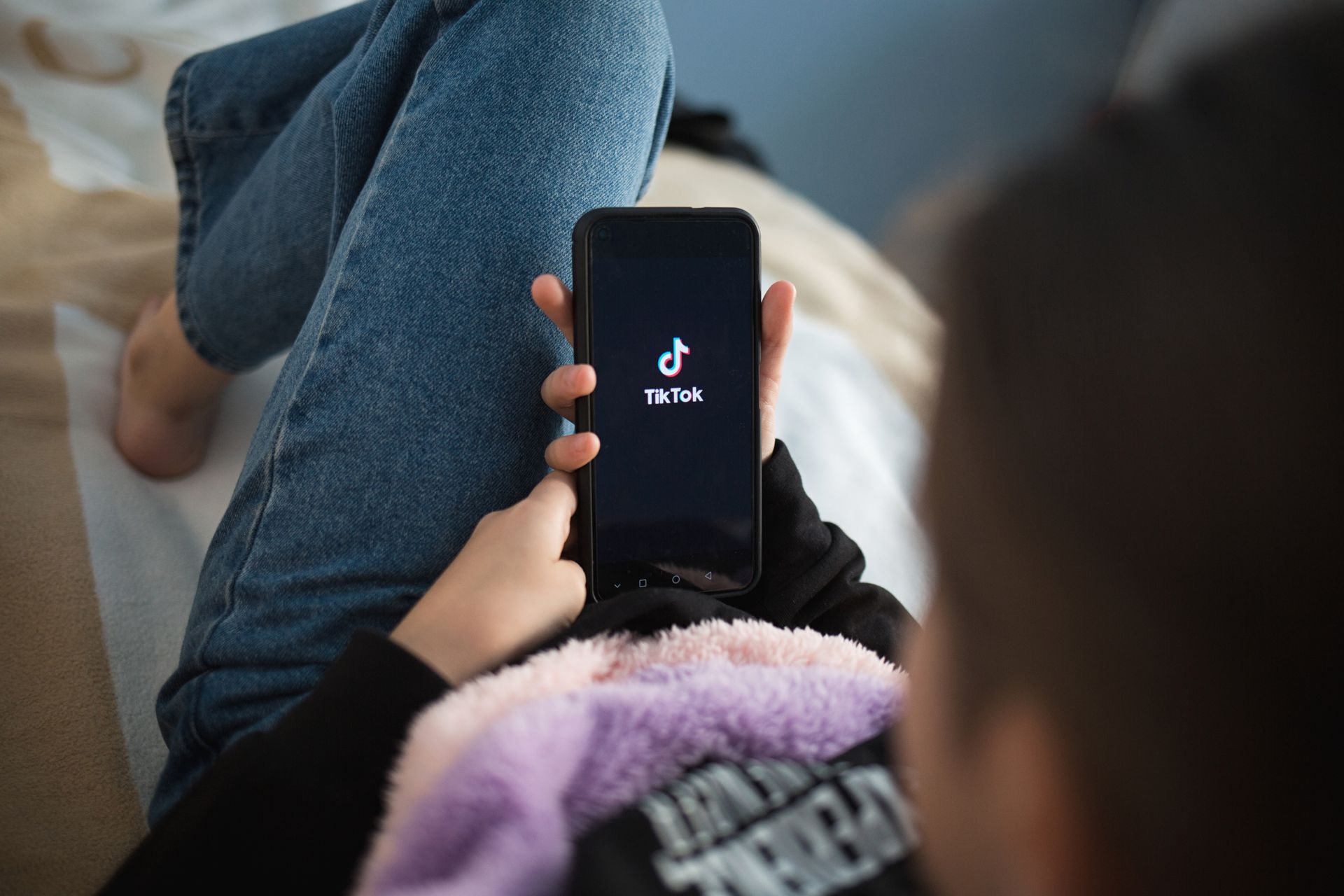
In early 2026, a noticeable wave of users began questioning their relationship with TikTok. Across social platforms, forums, and tech media, conversations about privacy, data usage, and transparency started gaining traction. This led many people to ask the same question: Why is everyone deleting TikTok. While not everyone is leaving the platform, the discussion highlights growing concerns around digital privacy and user trust.
What Sparked the 2026 TikTok Privacy Policy Controversy
The attention stems from updates to TikTok’s privacy policy and broader awareness around how social platforms collect, store, and use data. While policy updates are common, the language and scope of recent changes prompted closer scrutiny from users and privacy advocates.
Concerns largely center on how data is processed, where it may be stored, and how it is used to inform algorithms and advertising systems.
Why Privacy Policies Matter More Than Ever
Privacy policies define how platforms interact with user data. In 2026, users are far more informed and cautious than in previous years.
Rising awareness around data privacy, AI training, and cross platform data sharing has made users more sensitive to changes that feel unclear or overly broad.
Common User Concerns Driving TikTok Deletions
While motivations vary, several themes consistently appear in discussions around TikTok privacy concerns:
- uncertainty about data storage and access
- concerns over AI training and content usage
- lack of clarity in policy language
- broader mistrust of large tech platforms
For some users, deleting the app is a way to regain control rather than a reaction to a single policy change.
Is This Unique to TikTok
TikTok is not alone in facing scrutiny. Many social media platforms have been navigating similar privacy debates as regulations, AI development, and consumer expectations evolve.
The difference is TikTok’s scale and cultural influence, which amplifies reactions and makes policy changes more visible.
How This Impacts Brands and Digital Marketers
For businesses, the conversation around TikTok privacy policy changes matters even if the platform remains active. Shifts in user trust can affect engagement, ad performance, and long term platform stability.
Brands should be monitoring:
- audience sentiment
- platform usage trends
- diversification across social channels
Relying too heavily on one platform increases exposure to sudden changes in user behavior.
The Role of Transparency in Platform Trust
Transparency has become a major factor in platform loyalty. Users expect clear explanations of how their data is used and why.
Platforms that communicate changes clearly and proactively tend to maintain stronger trust during periods of scrutiny.
What Users Are Doing Instead
Rather than abandoning social media entirely, many users are reevaluating how they engage online. This includes:
- adjusting privacy settings
- Reducing screen time
- diversifying content sources
- exploring alternative platforms
The trend reflects a shift toward more intentional digital habits.
What This Signals About the Future of Social Platforms
The 2026 TikTok discussion signals a broader evolution in how users view social media. Convenience alone is no longer enough. Trust, transparency, and accountability now influence platform loyalty just as much as entertainment value.
As AI and data-driven platforms continue to evolve, these conversations will likely become more common.
Navigating Social Media Strategy in a Privacy Focused Era
The question of why people are deleting TikTok goes beyond a single platform. It reflects changing expectations around privacy and digital responsibility. Brands that stay adaptable, diversify channels, and prioritize audience trust will be better positioned long term. Quantifi Media helps businesses navigate platform shifts with data driven strategies designed to balance reach, engagement, and user trust in an increasingly privacy aware digital landscape.
Share this blog!