Designing for Representation: Why Seeing Yourself in Visual Media Matters
Visual media shapes how people see the world and how they see themselves within it. From websites and social media to advertising and digital platforms, imagery plays a powerful role in shaping perception. Understanding
why representation in visual media matters helps brands build trust, foster connection, and communicate more authentically with the audiences they serve.
What Representation in Visual Media Really Means
Representation goes beyond diversity for the sake of appearance. In visual design and marketing, representation means accurately reflecting different identities, experiences, and realities in a way that feels respectful and genuine.
This includes diversity in:
- race and ethnicity
- age and body type
- ability and accessibility
- gender expression
- culture and lifestyle
When people see themselves reflected, content feels more relatable and credible.

Why Seeing Yourself Matters on a Psychological Level
Research consistently shows that people connect more strongly with content that feels familiar. Seeing yourself represented in media supports:
- a sense of belonging
- emotional validation
- trust in the message being communicated
When individuals do not see themselves reflected, they may subconsciously feel excluded or overlooked.
How Representation Builds Brand Trust
Brands communicate values through visuals whether intentional or not. Inclusive imagery signals awareness, empathy, and authenticity.
Consumers are more likely to trust and engage with brands that demonstrate inclusive visual storytelling, especially when representation feels natural rather than performative.
The Impact of Representation on Engagement and Conversion
Representation is not just a social consideration. It also impacts performance.
Inclusive visuals often lead to:
- higher engagement rates
- longer time on page
- improved brand perception
- stronger emotional connection
When audiences feel seen, they are more likely to interact, share, and convert.
Avoiding Stereotypes and Surface-Level Diversity
Effective representation avoids clichés and tokenism. Simply adding diverse faces without context or authenticity can feel disingenuous.
True inclusive design focuses on real moments, real people, and realistic scenarios that align with the brand’s message and audience.

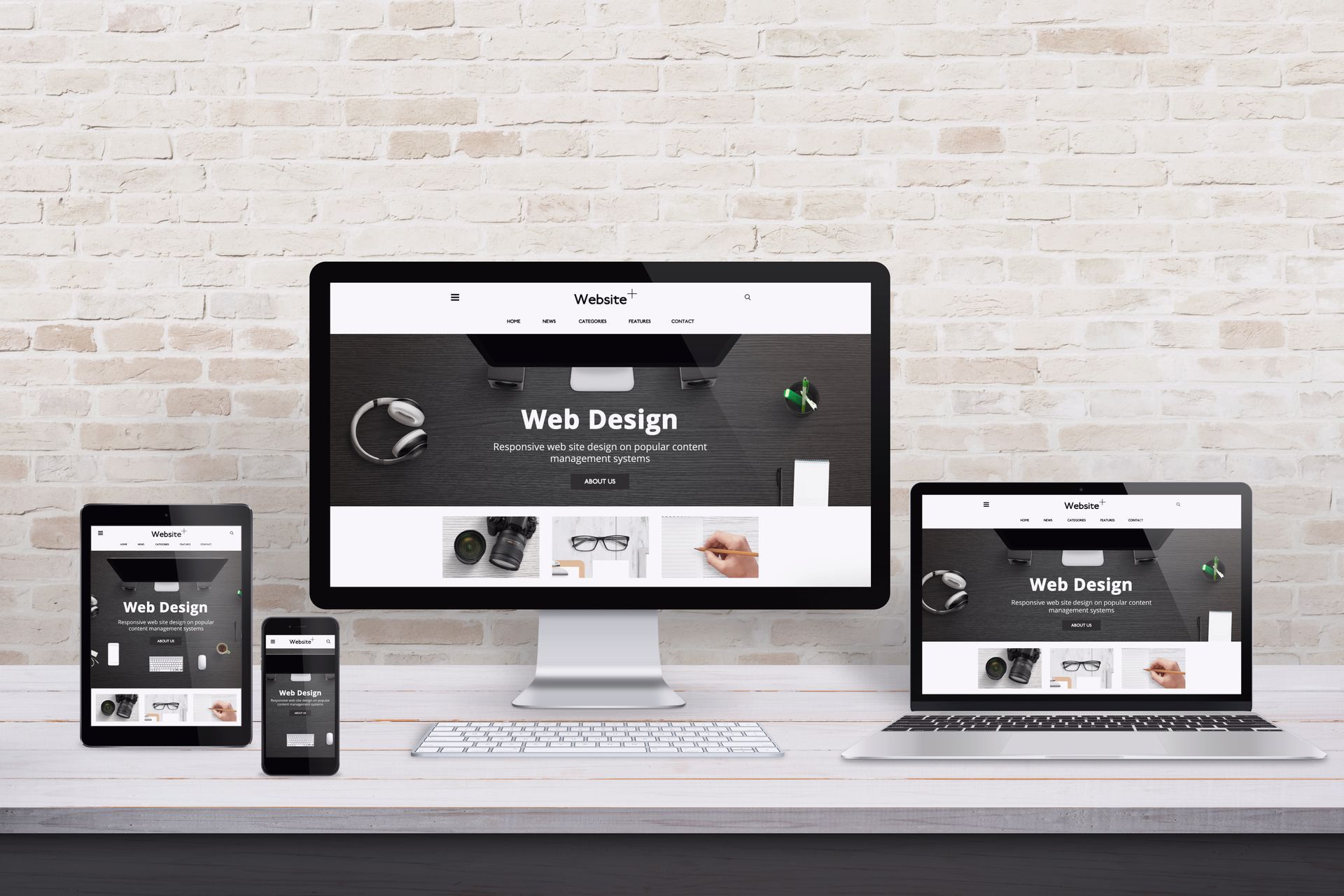
Representation in Digital Design and UX
Visual representation extends beyond photography. It includes:
- illustrations
- iconography
- accessibility considerations
- language and tone
Inclusive UX design ensures that digital spaces are usable, welcoming, and reflective of diverse user needs.
Why Representation Matters More in 2026 and Beyond
As audiences become more digitally aware, expectations for authenticity continue to rise. Representation is no longer optional or niche. It is a standard for modern brands.
Companies that ignore this shift risk appearing out of touch or disconnected from the communities they serve.
Designing With Intention, Not Assumption
Representation works best when driven by listening, not guessing. Understanding your audience through data, feedback, and real world context leads to visuals that resonate rather than alienate.
Intentional design reflects who people are, not who brands assume them to be.
Creating Visuals That Truly Connect
Designing for representation is about respect, relevance, and real connection. When people see themselves reflected in visual media, it builds trust and emotional engagement that no trend can replace. Quantifi Media helps brands create inclusive, strategic visual identities that align with modern audiences and deliver meaningful impact across digital platforms.
Share this blog!