What Are the Top Digital Marketing Trends to Watch in 2026?
As 2026 approaches, businesses are preparing to adapt to major shifts in how audiences consume information, interact with brands, and make purchasing decisions. Digital marketing continues evolving rapidly, driven by artificial intelligence, mobile behavior, privacy expectations, and changing search patterns. Staying ahead of the most impactful digital marketing trends helps brands attract attention, boost engagement, and grow revenue in an increasingly competitive landscape.
Trend 1: AI-Driven Personalization Becomes Standard
Artificial intelligence is transforming how marketers deliver content and experiences. Beyond automated ads, AI personalization now customizes homepage content, email sequences, product recommendations, and even landing page layouts based on user behavior and intent. Rather than generic messaging, audiences expect tailored, relevant experiences across every channel.
Trend 2: Visual and Voice Search Grow in Importance
Search behavior continues shifting away from text-only queries. Voice search on mobile devices and smart speakers is becoming more natural, and visual search tools allow users to search using images. Optimizing for voice and visual search—including conversational keywords and structured data—will be essential for organic visibility in 2026.
Trend 3: Short-Form Video Dominates Engagement
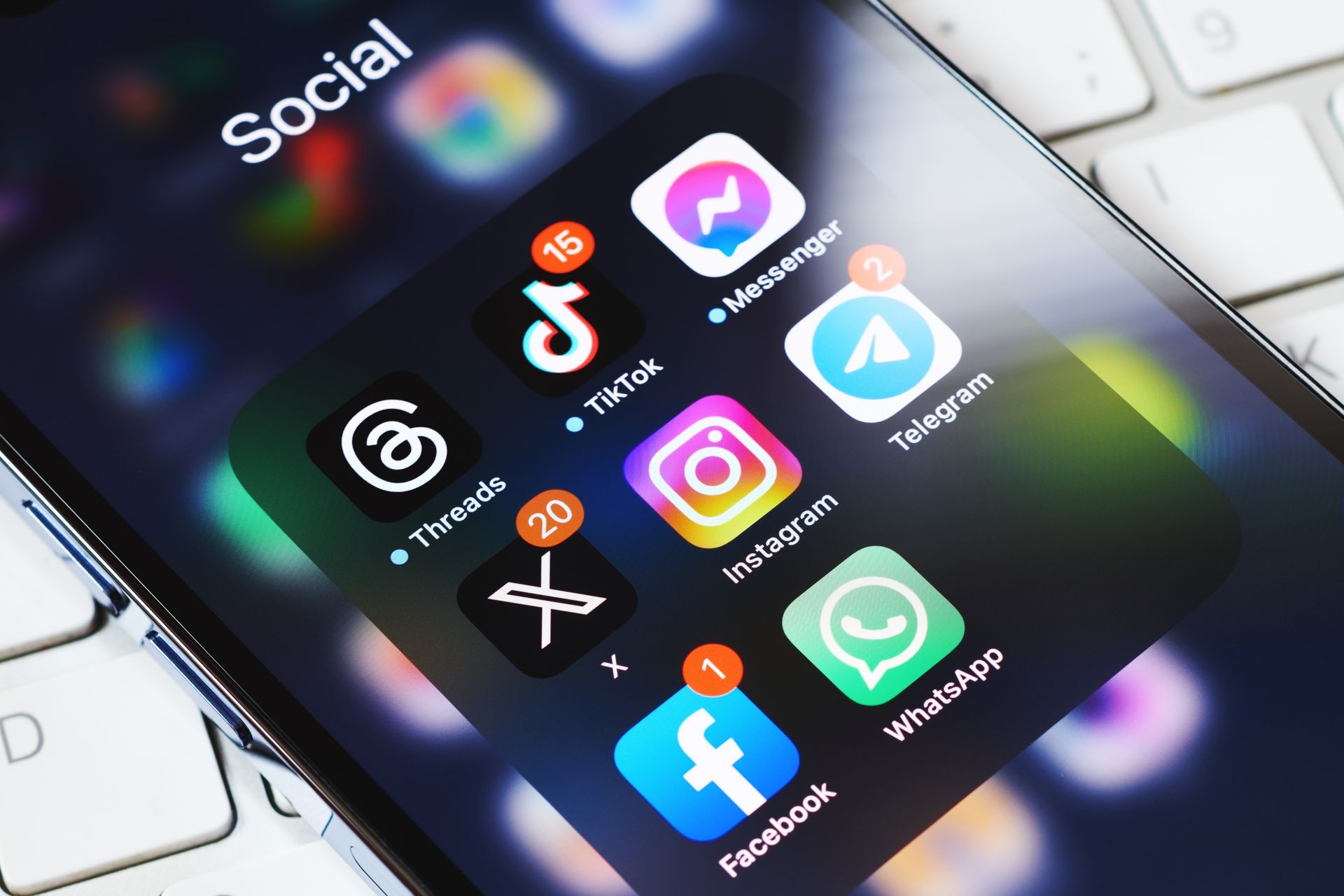
Short, high-impact video continues across social platforms, with audiences engaging heavily on formats like Reels, Shorts, and TikToks. Brands are using short video to educate, entertain, and drive conversions more effectively than static posts. Videos that deliver value within seconds see the best performance in social video marketing.
Trend 4: First-Party Data and Privacy Compliance Take Priority
With ongoing privacy updates and reduced third-party tracking, first-party data becomes more valuable. Collecting and managing your own customer data through subscriptions, CRM systems, and ethical opt-in practices supports smarter segmentation, personalization, and analytics. The shift toward privacy-first marketing is reshaping how businesses measure success.
Trend 5: Interactive Content Increases Engagement
Quizzes, calculators, polls, and interactive landing page elements drive deeper user engagement. Interactive content not only boosts session time and reduces bounce rate, it also provides rich user insights that inform future messaging. Smart brands integrate interactive content strategies into blogs, email campaigns, and social initiatives.
Trend 6: Search Engine Optimization Expands Beyond Keywords
Technical performance, experience metrics, and semantic relevance are gaining greater weight in search rankings. In 2026, SEO strategy will blend traditional keyword optimization with page experience, structured data, topical authority, and content depth to meet evolving search intent.
Trend 7: Integrated Omnichannel Marketing Reigns Supreme
Consumers expect seamless experiences across web, email, social media, paid platforms, and in-store or offline touchpoints. Omnichannel marketing connects these experiences with consistent messaging and data-driven personalization. Brands tying channels together report stronger retention and repeat engagement, driving long-term growth.
Trend 8: Social Commerce and Shoppable Content Scale
Social media platforms continue adding native shopping features that shorten the path from discovery to purchase. From Instagram storefronts to in-video buy buttons, social commerce trends reduce friction and create new revenue avenues. Brands who optimize catalogs and product tagging see measurable traffic and revenue gains.
Trend 9: Sustainability and Brand Purpose Drive Loyalty
Consumers increasingly support brands that reflect their values. Storytelling around sustainability, social impact, and company mission resonates more than traditional promotional messaging. Integrating brand purpose marketing builds trust and loyalty among thoughtful buyers.
Trend 10: Automation Enhances Efficiency and Growth
Marketing automation improves workflows across email, lead nurturing, ad optimization, and customer support. Automation tools free teams to focus on strategy while maintaining personalized outreach. Automated marketing systems that integrate data across channels deliver more consistent engagement and measurable revenue impact.
Conclusion
The digital marketing landscape of 2026 will reward businesses that embrace innovation, prioritize privacy, and deliver smarter, more personalized experiences. Trends such as AI-driven personalization, voice and visual search optimization, interactive content, first-party data strategies, short-form video, and omnichannel integration will shape how brands compete. At Quantifi Media, we help businesses adapt to these trends with strategic planning, creative execution, and data-backed solutions that drive long-term growth.
Share this blog!